

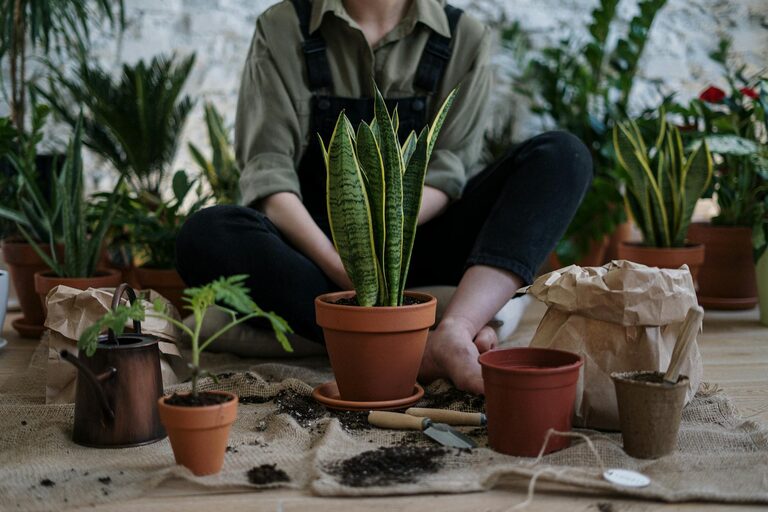
Creating a sustainable home garden is a rewarding way to enjoy fresh produce, enhance your outdoor space, and support the environment—all without spending a fortune. Whether you have a large backyard or a small balcony, you can implement eco-friendly gardening practices on a budget. This guide offers practical tips to get you started on growing your own green oasis sustainably and affordably.
Why Choose a Sustainable Home Garden?
Sustainable gardening focuses on methods that are good for the planet, conserve resources, and reduce waste. Growing your own fruits, vegetables, and herbs means fewer trips to the store, less packaging waste, and fresher food on your table. Plus, it can improve soil health, promote biodiversity, and reduce water usage.
Benefits You’ll Enjoy:
– Cost savings on groceries
– Healthier, pesticide-free produce
– Reduced carbon footprint
– Personal satisfaction and connection to nature
Planning Your Garden on a Budget
Before digging in, a little planning helps you make the most of your space and resources.
Choose the Right Location
Pick a spot with adequate sunlight—most vegetables need at least 6 hours daily. Consider areas protected from strong winds and near a water source to simplify irrigation.
Start Small and Grow Gradually
Begin with a small bed or a few containers. This limits upfront costs and lets you learn what works best before expanding.
Select Affordable Plants
Start with easy-to-grow, low-maintenance varieties that thrive in your climate. Some budget-friendly options include:
– Leafy greens (lettuce, spinach)
– Herbs (basil, parsley, mint)
– Root vegetables (carrots, radishes)
– Tomatoes and beans (if space allows)
Smart Ways to Save Money in Your Garden
There are many ways to reduce expenses without compromising sustainability.
Use Seeds Instead of Seedlings
Seeds are inexpensive and available in bulk. Starting from seed also offers a wider variety of plants compared to buying seedlings.
Save and Reuse Materials
– Use household items like egg cartons or yogurt cups as seed starters.
– Repurpose containers and pallets for planters.
– Collect rainwater in barrels or buckets to water your plants.
Compost at Home
Create your own compost bin or pile using kitchen scraps and yard waste. Compost enriches soil naturally and reduces the need for chemical fertilizers.
Choose Natural Pest Control
Instead of buying expensive pesticides, attract beneficial insects like ladybugs or use homemade solutions such as neem oil or insecticidal soap.
Practice Crop Rotation and Companion Planting
Rotating crops yearly helps maintain soil fertility and prevent pest buildup. Companion planting can improve yields and protect plants naturally, reducing extra costs.
Maintaining Your Sustainable Garden
Consistent care ensures a healthy and productive garden.
Water Wisely
– Water early in the morning or late evening to minimize evaporation.
– Use drip irrigation or soaker hoses to target roots efficiently.
– Mulch around plants to retain moisture and reduce weeds.
Monitor and Adjust
Keep an eye on plant health and soil condition. Amend soil with homemade compost or natural amendments as needed.
Harvest Regularly
Regular picking encourages more growth and helps avoid waste.
Additional Sustainable Gardening Ideas
Expand your garden’s sustainability with these tips:
– Plant native species to support local wildlife.
– Grow perennials for long-term yields with less replanting.
– Create a worm bin for vermicomposting to speed up decomposition.
– Share seeds or plants with neighbors to build a gardening community.
Final Thoughts
Building a sustainable home garden on a budget is achievable with careful planning and creative thinking. By starting small, using natural methods, and making the most of available resources, you can enjoy fresh, homegrown food while caring for the environment. Embrace the process, learn as you go, and watch your garden—and your savings—grow.
Happy gardening!