

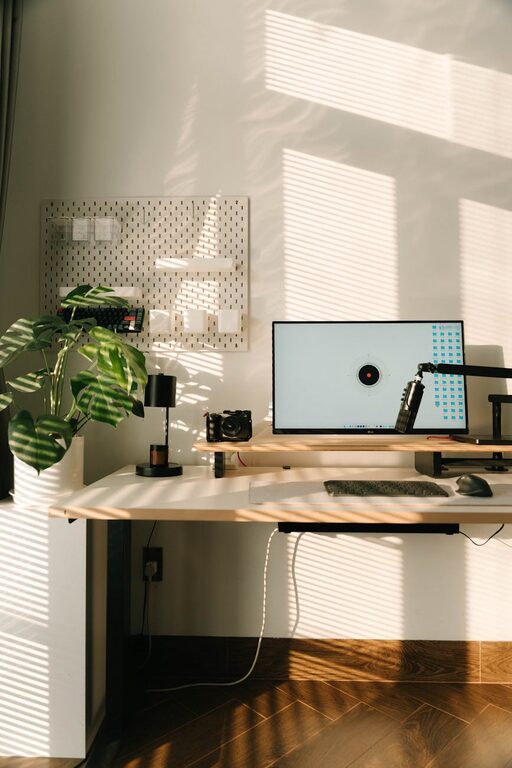
Creating a comfortable and productive home office space is essential for anyone working remotely or spending significant time on projects at home. A well-designed workspace not only helps you stay focused but also promotes good health and a positive mindset. Whether you have a dedicated room or just a corner of your living area for work, these tips will guide you in setting up an office space that meets your needs.
Choose the Right Location
Finding the ideal spot for your home office is the first step. Here are some factors to consider:
– Natural Light: Position your desk near a window to benefit from natural light. It helps reduce eye strain and enhances mood.
– Quiet Environment: Select a place with minimal distractions. A room with a door or a secluded corner can limit noise and interruptions.
– Space Availability: Ensure you have enough room for your equipment, storage, and comfortable movement.
If space is limited, try to create boundaries using room dividers or rugs to define your work area clearly.
Invest in Ergonomic Furniture
Comfort plays a crucial role in productivity. Ergonomic furniture supports your body posture and reduces fatigue.
– Chair: Choose a chair with adjustable height, lumbar support, and comfortable cushioning. Your feet should rest flat on the floor.
– Desk: A desk at the right height prevents strain on your wrists and shoulders. Consider a standing desk or a desk converter for sitting and standing options.
– Monitor Placement: Ensure your computer screen is at eye level, about an arm’s length away. This setup minimizes neck and eye strain.
Adding a footrest or wrist pads can provide extra comfort during long work sessions.
Organize Your Workspace Efficiently
A clutter-free environment promotes better concentration and efficiency.
– Declutter Regularly: Keep only essentials on your desk. Store documents and supplies in drawers or organizers.
– Use Storage Solutions: Shelves, filing cabinets, and desk organizers help keep everything in its place.
– Cable Management: Use clips or cable boxes to tidy up cords and prevent tangling.
Labeling folders and drawers can save time when looking for important items.
Optimize Lighting
Good lighting reduces eye strain and keeps you alert.
– Combine Natural and Artificial Lighting: Use daylight as much as possible, complemented by desk lamps or overhead lights.
– Adjustable Task Lighting: A desk lamp with adjustable brightness and direction helps focus light exactly where needed.
– Avoid Glare: Position monitors and lights to minimize reflections and glare on screens.
Warm LED lights can create a cozy atmosphere, while cooler white lights tend to encourage focus.
Personalize Without Overdoing It
Adding personal touches can make your home office inviting and motivating.
– Decorate with Plants: Indoor plants improve air quality and add a refreshing look.
– Art and Photos: Hang pictures or artwork that inspire you, but keep the décor minimal to avoid distractions.
– Comfort Items: A cozy blanket, cushions, or a favorite mug can make breaks more pleasant.
Balance personalization with professionalism, especially if video calls are part of your routine.
Establish Boundaries and Routine
Separating work and personal life is important when working from home.
– Set Work Hours: Define your start and end times to maintain balance.
– Create a Morning Routine: Prepare yourself mentally before starting work by dressing comfortably but professionally or having a set ritual.
– Use Signals: Communicate to family or housemates when you are working to minimize interruptions.
Taking regular breaks and stretching can improve focus and reduce stress.
Leverage Technology Wisely
The right technology enhances productivity.
– Reliable Internet: Ensure a strong and stable connection.
– Quality Headphones or Speakers: Useful for meetings or concentration.
– Productivity Tools: Utilize apps for task management, time tracking, or note-taking.
– Backup Systems: Regularly save and back up your work to prevent data loss.
Keep your software updated to avoid technical issues.
—
Creating a comfortable and efficient home office requires thoughtful planning and ongoing adjustments. By considering your physical setup, organization, lighting, and work habits, you can build a space that supports your well-being and helps you reach your professional goals. Start small and make changes that suit your work style — your ideal home office is within reach.