

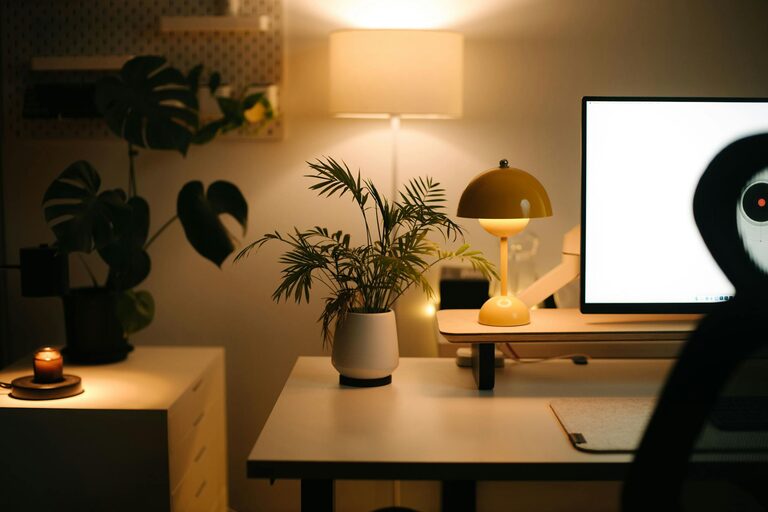
Creating a cozy and inviting home workspace is essential for anyone who spends a significant amount of time working from home. A well-designed workspace not only enhances productivity but also promotes comfort and well-being throughout your workday. Whether you’re setting up a dedicated office or carving out a corner in your living space, these tips will help you design an environment that feels welcoming and inspires focus.
Choose the Right Location
The first step to creating an inviting workspace is selecting the best spot in your home. Here are some factors to consider:
– Natural Light: Aim for a space near windows to take advantage of natural light. It can lift your mood and reduce eye strain.
– Quiet Area: Find a place away from high-traffic zones to minimize distractions.
– Adequate Space: Ensure there’s enough room for your desk, chair, and any other work essentials without feeling cramped.
Even a small nook can be transformed into a comfortable workspace if chosen thoughtfully.
Invest in Comfortable Furniture
Comfort is key when creating a workspace where you’ll spend hours daily. Consider these furniture tips:
– Ergonomic Chair: Select a chair that supports proper posture to prevent back and neck pain.
– Desk Height: Choose a desk at the right height or use adjustable options to keep your arms and wrists comfortable.
– Storage Solutions: Incorporate shelves, drawers, or organizers to keep supplies within reach and your surface clutter-free.
Prioritize pieces that blend functionality with your style preferences.
Use Soothing and Personal Colors
Color can significantly impact your mood and productivity. To create an inviting workspace:
– Soft Neutrals: Whites, beiges, or light greys create a calming backdrop.
– Accent Colors: Add subtle pops of colors like blue or green, which are known to enhance focus.
– Personal Touches: Incorporate colors that make you happy and reflect your personality without overwhelming the space.
Avoid using overly bright or distracting colors that can cause stress or fatigue.
Optimize Lighting
Good lighting reduces eye strain and helps maintain energy levels:
– Layered Lighting: Combine ambient light (overhead), task lighting (desk lamp), and accent lighting (decorative lamps or LEDs).
– Adjustable Lamps: Use lamps with dimmers or adjustable arms to control the brightness and direction of light.
– Avoid Glare: Position your monitor and lights to minimize reflections or harsh glare.
Proper lighting creates a warm atmosphere and improves your work experience.
Incorporate Greenery and Natural Elements
Plants and natural accents add life to your workspace and create a refreshing environment:
– Easy-Care Plants: Choose low-maintenance plants like succulents, snake plants, or pothos.
– Natural Materials: Use wooden desks, wicker baskets, or stone accessories to bring warmth.
– Fresh Air: Open windows regularly to let in fresh air when possible.
These elements boost mood and can even improve indoor air quality.
Keep Your Workspace Organized
An inviting workspace is clutter-free and organized:
– Declutter Regularly: Remove unnecessary items to maintain a clean surface.
– Use Organizers: Desk trays, filing systems, and cable management tools keep things tidy.
– Digital Organization: Keep your computer desktop organized to reduce digital distractions.
A neat environment promotes mental clarity and efficiency.
Add Cozy Textiles and Personal Decor
Make your workspace feel like your own with comforting touches:
– Soft Rugs or Mats: Add warmth and texture underfoot.
– Comfortable Cushions: Use cushions or throws on your chair for extra comfort.
– Artwork and Photos: Decorate with inspiring artwork, motivational quotes, or family pictures.
– Scent: Light a candle or use a diffuser with relaxing scents like lavender or eucalyptus.
These personal elements transform a functional space into a cozy retreat.
Set Boundaries Between Work and Home Life
Maintaining a separation between work and relaxation areas helps with focus:
– Defined Space: Use room dividers or furniture to visually separate your workspace.
– Designate Work Hours: Create a schedule and stick to it to avoid overworking.
– End-of-Day Ritual: Close your laptop and tidy your desk to signal the end of work time.
Clear boundaries help maintain a healthy work-life balance.
Maintain Good Air Quality and Temperature
Comfortable air and temperature levels can make a big difference:
– Ventilation: Keep windows open or use air purifiers to refresh indoor air.
– Adjust Temperature: Use fans or heaters as needed to stay comfortable.
– Avoid Stuffy Spaces: Choose a location where air circulates well to reduce fatigue.
A pleasant environment keeps your energy up and prevents discomfort.
Final Thoughts
Designing a cozy and inviting home workspace takes a little planning and effort but pays off with a more enjoyable and productive workday. By focusing on comfort, organization, personalization, and good lighting, you create an environment that supports your work and well-being. Remember, your workspace should reflect your needs and style—make it a place you look forward to using each day.