

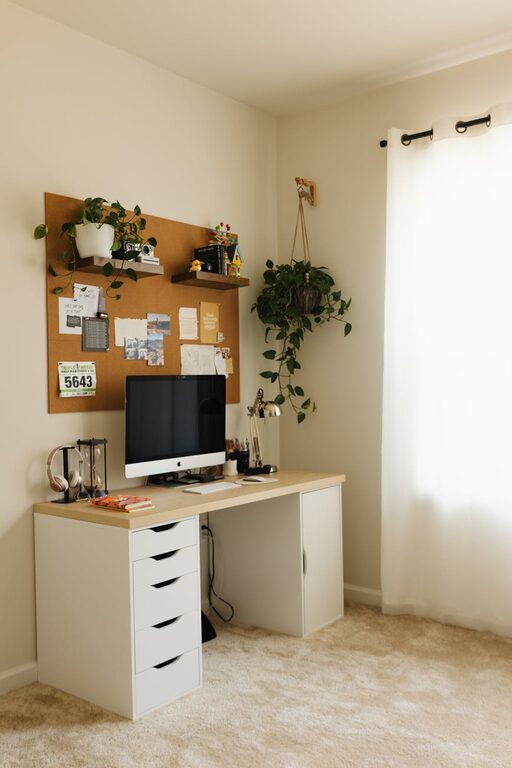
Creating a home office space that is both cozy and productive can greatly improve your work experience and overall well-being. Whether you are working remotely full-time, freelancing, or just need a dedicated spot for tasks, your environment plays a key role in your focus and motivation. In this post, we’ll explore practical tips to help you design a home office that feels comfortable and supports your productivity.
Choose the Right Location
Selecting the best spot in your home is the first step toward setting up an effective office. Ideally, look for an area with:
– Good natural light: Natural daylight helps reduce eye strain and improves mood.
– Minimal distractions: Avoid high-traffic or noisy parts of your home.
– Enough space: Ensure there’s room for your desk, chair, and any equipment you need.
If space is limited, consider creative solutions like using a corner of your living room or bedroom, or even creating a fold-away workstation.
Invest in Comfortable and Functional Furniture
Your furniture affects both how you feel and your physical health during work hours.
– Ergonomic office chair: Choose a chair that provides good back support and adjustable features.
– Appropriately sized desk: Ensure your desk is large enough for your computer, supplies, and workspace.
– Standing desk or converters: If possible, alternate between sitting and standing to stay more active.
Comfortable furniture helps prevent discomfort and injury, keeping you motivated throughout the day.
Optimize Lighting for Productivity
Lighting is crucial to reduce eye strain and enhance alertness.
– Use a mix of natural and artificial light: Position your desk near a window for daylight, and use adjustable desk lamps for focused lighting.
– Choose soft, warm bulbs: They create a cozy atmosphere without being harsh.
– Avoid glare and screen reflections: Position your computer to prevent glare from windows or overhead lights.
Proper lighting can make your workspace inviting and easier to work in for extended periods.
Personalize Your Space
A home office should reflect your personality to keep you inspired.
– Add plants: Greenery improves air quality and adds a calming touch.
– Incorporate artwork or photos: Choose images that motivate or relax you.
– Use color wisely: Soft, neutral tones can help concentration, while pops of color can energize your mood.
Personal touches make your office feel welcoming and encourage you to spend time there.
Organize to Minimize Clutter
A tidy workspace promotes focus and efficiency.
– Use storage solutions: Shelves, filing cabinets, and desk organizers keep supplies in order.
– Keep only essentials on your desk: Limit clutter that can distract you.
– Establish a daily cleanup habit: Take a few minutes each day to put things away.
Maintaining organization reduces stress and makes finding what you need faster.
Incorporate Technology Thoughtfully
Technology tools can enhance your workflow but avoid overwhelming your space.
– Invest in quality equipment: Reliable computers, keyboards, and monitors reduce interruptions.
– Use cable management: Organize cords with clips or ties to prevent tangles.
– Consider noise-canceling headphones: They can help reduce distractions when needed.
Choose tools that support your tasks and keep your desktop free from unnecessary devices.
Create Zones for Different Activities
If your office space allows, dividing it into zones can help separate tasks.
– Work zone: Main desk area for focused computer work.
– Reading or brainstorming area: A comfy chair or small table for review and idea generation.
– Storage zone: Space dedicated to books, supplies, or files.
Zoning your workspace can enhance productivity and keep you engaged by switching tasks comfortably.
Manage Noise and Distractions
Noise levels influence how well you can concentrate.
– Use rugs and curtains: Soft textiles absorb sound and reduce echo.
– Add white noise machines or soft music: These can mask sudden noises.
– Set boundaries with others: Communicate your work hours to family members or housemates.
A quieter environment helps you stay focused and reduces stress.
Maintain Good Air Quality
Fresh air refreshes your mind and helps you feel alert.
– Open windows regularly: When possible, allow fresh air to circulate.
– Add air-purifying plants: Plants like snake plants or pothos improve indoor air.
– Use an air purifier: In spaces with limited ventilation, this can improve comfort.
Good air quality supports your health and mental clarity during work.
Establish a Routine and Personal Rituals
Finally, your mindset matters as much as your setup.
– Define your work hours: Having set start and end times increases productivity.
– Create morning rituals: A cup of coffee, a few stretches, or organizing your desk can signal the start of the workday.
– Take regular breaks: Short pauses help maintain focus and reduce fatigue.
Combining a well-designed space with healthy habits makes your home office a place where you can thrive.
—
Designing a cozy and productive home office involves thoughtful choices about location, furniture, lighting, organization, and personalization. By implementing these tips, you can build a workspace that feels inviting and supports your best work every day. Remember, the goal is not only to be efficient but also to enjoy the environment where you spend your working hours.